US Visas For Indian Citizens: Errors That Could Delay Approval
Wiki Article
Opening Opportunities: Necessary Details on US Visas for Indian Citizens
Maneuvering the intricacies of US visa alternatives is crucial for Indian citizens aiming to explore opportunities in the US. With various classifications varying from momentary visitor visas to paths for permanent residency, comprehending the subtleties of each can markedly impact one's journey. This discussion will certainly highlight crucial details, including application treatments and qualification standards, that can encourage people in their pursuit of new experiences. As we unbox these essential elements, the inquiry arises: what methods can one utilize to boost their chances of a successful application?Overview of US Visa Kind
When going across the complex landscape of US migration, understanding the different kinds of visas available is vital for Indian people looking for entry into the US (US Visas For Indian Citizens). The US immigration system is largely categorized into two broad classifications: immigrant visas and non-immigrant visasImmigrant visas are designated for those intending to live permanently in the US. These consist of family-sponsored and employment-based visas, where applicants normally need a sponsor. Non-immigrant visas, on the various other hand, cater to individuals seeking short-term house, such as tourists, business visitors, and those taking a trip for details functions like job or study.
Within the non-immigrant group, several visa kinds exist, consisting of B-1/ B-2 for business and tourism, H-1B for specialty professions, L-1 for intra-company transferees, and O-1 for individuals with extraordinary capabilities. Each visa has distinctive qualification requirements and application procedures, demanding thorough research study to determine the proper classification.
Recognizing these classifications is necessary for Indian people, as it enables them to navigate the application process better, ensuring they choose the correct visa type to fulfill their particular needs and purposes. US Visas For Indian Citizens.
Trainee Visa Options
For Indian citizens desiring study in the US, student visas provide a crucial pathway to pursue scholastic opportunities. The key visa groups for pupils are the F-1 and M-1 visas.The F-1 visa is assigned for scholastic trainees enrolled in a full time program at a certified institution, such as universities and universities. This visa permits trainees to participate in on-campus employment and, under certain conditions, take part in optional useful training (OPT) after finishing their degree, supplying important job experience in their area of research study.
Conversely, the M-1 visa is intended for trade or non-academic programs. It satisfies pupils pursuing technical or occupation training, enabling them to enlist in non-degree programs. M-1 visa owners may join functional training, yet it is generally a lot more restricted contrasted to the F-1 group.
To get a pupil visa, candidates should safeguard admission to an U.S. organization, receive a Form I-20, and demonstrate financial ability to sustain their education and learning and living expenditures. Recognizing these visa options is significant for Indian residents preparing to start their educational trip in the US.
Visa Categories
Numerous Indian citizens seeking employment possibility in the US may think about different categories customized to different specialist demands and certifications. One of the most popular is the H-1B visa, created for competent employees in specialty line of work calling for a college degree or its equivalent. It allows US employers to momentarily utilize foreign workers, with a cap on the number of visas issued yearly.An additional essential category is the L-1 visa, which helps with the transfer of workers within international business. The L-1A visa is for supervisors and executives, while the L-1B visa is for staff members with specialized knowledge.
The O-1 visa deals with individuals with amazing abilities in their field, consisting of scientific research, arts, or business. For agricultural or seasonal work, the H-2A and H-2B visas are available, allowing companies to hire international workers for short-term placements.
Family-Based Immigration
Family-based immigration offers a pathway for US residents and authorized long-term locals to rejoin with their family members from India. This immigration category is essential for keeping familial bonds and promoting the assimilation of relative right into USn society. US people can petition for immediate relatives, including spouses, youngsters, and moms and dads, without encountering annual restrictions on visas. This expedited procedure considerably minimizes waiting times for these close family members links.In comparison, lawful long-term locals may sponsor partners and unmarried kids, but they are subject to yearly caps, causing longer wait times. The family-sponsored immigration system is divided into two main classifications: prompt family members and family members choice categories. The former consists of those who have a direct relationship with a united state citizen, while the latter incorporates farther loved ones, such as brother or sisters and married kids of people, and youngsters of legal long-term residents.
For Indian people looking for family-based migration, recognizing the nuances of this system is critical. Appropriate documents and adherence to application methods are important for successful sponsorship. By navigating through these complexities, families can function in the direction of rejoining and building their lives together in the US.
Permanent Residency Process
The process of acquiring irreversible residency in the US involves a number of vital visa groups tailored for Indian people. Comprehending the application steps, including necessary documents and eligibility criteria, is essential for a successful outcome. In addition, prospective applicants should know the anticipated timeline and details demands associated with each classification.Visa Categories Introduction
While traversing the intricacies of the US immigration system, Indian residents looking for irreversible residency needs to acquaint themselves with numerous visa groups tailored to different conditions. The key path for long-term residency is with employment-based visas, which are classified into numerous preferences, including EB-1 for people with phenomenal abilities, EB-2 for experts holding postgraduate degrees, and EB-3 for knowledgeable workers. Each category has details qualification needs and processing times.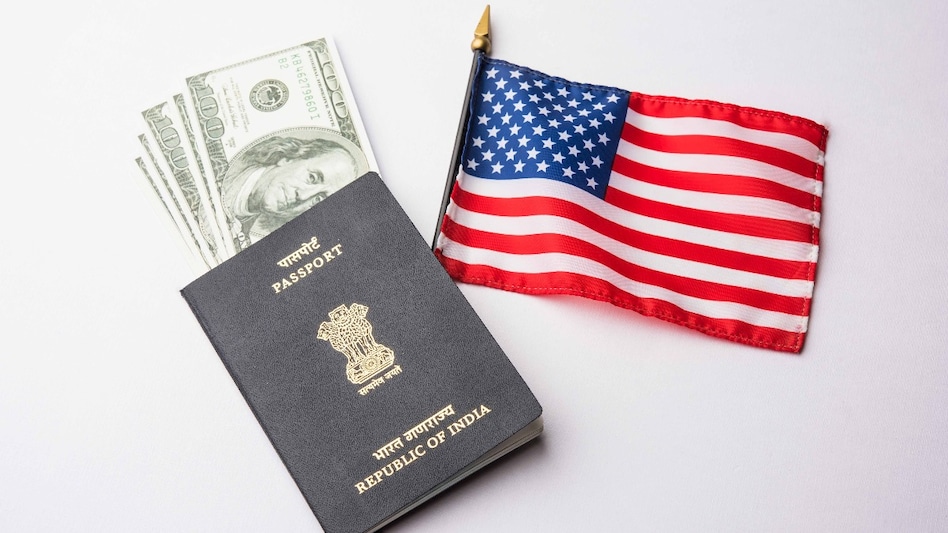
Diversity visas, although restricted in number, offer an opportunity for individuals from underrepresented nations to use for long-term residency through a lotto system. Additionally, altruistic alternatives such as asylum and evacuee standing deal paths for those encountering mistreatment.
Recognizing these visa groups is crucial for Indian residents, as they substantially influence the approach for obtaining long-term residency in the US. Each classification's subtleties and needs necessitate cautious factor to consider to align with specific scenarios and objectives.
Application Process Actions
Guiding the application procedure for permanent residency in the US includes a number of essential steps that need to be diligently followed to ensure a successful result. The journey commonly starts with identifying the proper migration classification, such as employment-based or family-sponsored visas. Candidates need to gather necessary documents, consisting of proof of eligibility, financial statements, and individual recognition.Once the classification is identified, the following step is to file the Kind I-130 (Application for Alien Relative) or Form I-140 (Immigrant Request for Alien Worker), depending upon the basis of the application. Following the approval of the application, candidates will need to complete the National Visa Center (NVC) handling by submitting the needed fees and kinds.
Next off, the candidate must undergo a medical checkup and obtain police clearance certificates. When these are completed, a meeting will certainly be set up at the US consular office or embassy. It is vital to prepare extensively for this interview, as it can substantially affect the decision on the application. Upon authorization, the applicant will obtain their visa, giving them permanent residency in the United States.
Timeline and Needs
Charting the timeline and requirements for getting long-term residency in the US is essential for Indian citizens seeking to develop a long-lasting existence. The process mostly hinges on employment-based or family-sponsored paths, each with particular requirements and timelines.For employment-based migration, the procedure usually begins with a labor certification, which can take a number of months. Once authorized, the employer submits a Type I-140, Immigrant Petition for Alien Employee, which can take an extra six months to a year, depending on the processing. Complying with I-140 approval, candidates might need to wait on their concern day to become present, which can differ substantially based on the applicant's group and nation of origin.
For family-sponsored immigration, US citizens can seek for instant family members, which generally results in faster processing. Other family classifications may involve longer wait times due to annual caps.
Application Treatments
Recognizing the application treatments for US visas is important for Indian residents seeking entrance right into the US. US Visa Categories India. This section will offer a review of various visa classifications and lay out the detailed process for applying. By following these standards, candidates can navigate the complexities of the visa effectivelyVisa Categories Introduction
Navigating the various visa classifications readily available to Indian people can be an intricate procedure, yet it is crucial for those seeking to travel, function, or study in the US. The US visa system is classified largely into non-immigrant and immigrant visas, each serving unique objectives.Non-immigrant visas, such as B-1/ B-2 for service and tourism, F-1 for scholastic study, and H-1B for specialized employment, permit temporary keeps. Applicants should show their intent to return to India after their browse through.
On the other hand, immigrant visas, consisting of family-sponsored and employment-based groups, offer a path to permanent residency. These visas often require sponsorship from a relative or company in the US, together with a rigorous application process.
Step-by-Step Refine
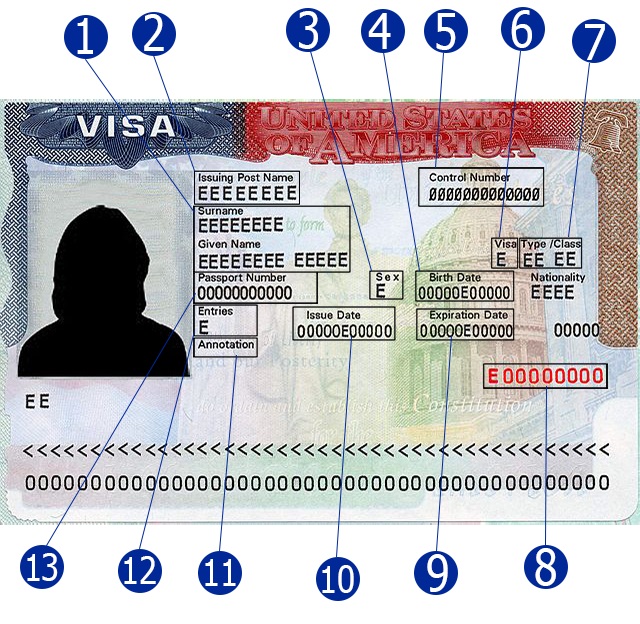
Generally, the application procedure for US visas entails several crucial steps that applicants should meticulously comply with to ensure a smooth experience. The primary step is to determine the ideal visa category based on the purpose of travel, such as job, research study, or tourism. When the group is determined, candidates must complete the on-line DS-160 type, offering accurate individual details and traveling details.After submitting the DS-160, applicants must pay the visa charge, which differs by visa kind. Next off, set up a visit for a visa interview at the closest US Embassy or Consulate. Types Of US Visas. It is critical to get ready for the meeting by celebration needed files, including a valid visa, visa verification, charge repayment invoice, and any supporting documents particular to the visa category
On the day of the meeting, arrive promptly and dress suitably. During the interview, be prepared to respond to inquiries concerning your travel intents, financial stability, and connections to India. Lastly, if accepted, the visa will be marked in the visa, enabling traveling to the US. Following these steps assures an efficient and effective application procedure for Indian people.
Tips for a Successful Application
Ensure that all forms are finished properly and truthfully. Tiny errors or noninclusions can bring about delays or perhaps denials. It is advisable to gather all required sustaining documents, consisting of monetary declarations, work letters, and proof of connections to India, which show your intent to return post-visit.
Prepare for your visa meeting by exercising responses to typical questions associated with your itinerary and history - US Visa Categories India. Self-confidence and clarity can considerably affect the police officer's impression. Think about seeking support from credible migration experts if you really feel overwhelmed.
Frequently Asked Inquiries
What Are the Handling Times for US applications?
Handling times for US visa can differ significantly based on the visa type, application volume, and the applicant's place - Types Of US Visas. Usually, candidates must expect a processing period ranging from a few weeks to numerous monthsCan I Modification My Visa Status While in the US?
Yes, individuals can transform their more info visa status while in the US, supplied they fulfill eligibility needs and comply with correct treatments. It is important to file the appropriate application with US Citizenship and Migration Services (USCIS)Are There Age Purview for US Visa Candidates?
There are usually no certain age limitations for US visa applicants; nonetheless, particular visa groups might have age-related qualification standards. It is necessary to assess the needs for each visa kind to assure compliance.What Prevail Factors for Denial?
Common factors copyright denial consist of inadequate funds, failure to demonstrate connections to the home nation, insufficient application kinds, absence of proper paperwork, previous immigration offenses, and failure to meet eligibility criteria for the certain visa classification.Just How Can I Appeal a Visa Rejection Decision?
To appeal a visa rejection, assess the consular officer's factors, collect supporting documentation, and submit a formal attract the suitable authority, making sure to abide by defined timelines and procedural requirements for the allure procedure.Report this wiki page